
Succulent, meaty, sweet, and irresistibly delicious—these are just some of the words that describe one of the Philippines’ most beloved tropical fruits: the Philippine mango.
Known locally as mangga, mango is the national fruit of the Philippines and an important part of Filipino food culture. The country grows several mango varieties, but one stands out for its exceptional sweetness, golden-yellow flesh, and buttery texture: the Carabao mango, internationally associated with the Philippine Manila Super Mango.
Whether enjoyed fresh, blended into a refreshing drink, turned into a dessert, or eaten green with a salty dipping sauce, mangoes have a special place in the hearts and kitchens of Filipinos.
And if there’s one thing Filipinos can agree on, it’s that a perfectly ripe Philippine mango is hard to resist!

The Manila Mango: The Golden Treasure of the Philippines
The Philippine Carabao mango is one of the country’s most recognized mango varieties. It is also commercially marketed as the Manila Super Mango, a premium export variety that has helped establish the Philippines’ reputation as a producer of high-quality tropical mangoes.
In international markets, Philippine mangoes are sometimes compared with or marketed alongside Champagne, Honey, and Ataulfo mangoes. Although these names are often associated with similar-looking yellow mangoes, the Carabao mango is a distinct Philippine variety.
The fruit is characterized by its golden-yellow to yellow-orange skin when ripe, relatively slender shape, and smooth, fiber-light flesh. Its soft, almost velvety texture and naturally sweet flavor make it particularly enjoyable when eaten fresh.
The name Carabao mango comes from the Filipino water buffalo, the carabao, an iconic symbol of Philippine agriculture and rural life.
Why Are Philippine Mangoes So Famous?
The Philippines is known for producing exceptionally sweet mangoes, and the Carabao variety has received international recognition for its quality.
In 1995, the Guinness Book of World Records recognized the Carabao mango from the Philippines as the world’s sweetest mango variety. Guimaras Island, located in the Western Visayas region, is particularly famous for producing exceptionally sweet mangoes.
Guimaras has become synonymous with mango production, with its mangoes celebrated through local festivals and agricultural tourism.
The combination of tropical growing conditions, local cultivation practices, and carefully selected varieties contributes to the reputation of Philippine mangoes.

From Philippine Orchards to International Markets
The Philippine mango industry is not just about producing delicious fruit for local consumption. It is also an important agricultural export.
The Manila Super Mango is prepared carefully for international markets, where quality control and food safety standards are essential.
Export-bound mangoes undergo postharvest handling and inspection before being shipped. One important process is Vapor Heat Treatment (VHT), a quarantine treatment used to control fruit flies and meet the phytosanitary requirements of importing countries.
The process involves carefully controlled heating using water vapor, followed by cooling. Rather than applying a chemical spray to the fruit, the treatment uses heat under controlled conditions.
This process helps ensure that Philippine mangoes meet the requirements of international markets while maintaining their quality for consumers abroad.
How Filipinos Enjoy Their Manila Mangoes
For Filipinos, eating a ripe mango is almost an experience in itself. The fruit’s golden color, sweet aroma, and soft, juicy flesh make it one of the most anticipated tropical treats, especially during mango season.
There is also a familiar Filipino way of preparing and eating a ripe mango.
The fruit is sliced lengthwise into three pieces, with the middle slice containing the large, flat seed. The two outer slices contain most of the juicy flesh.
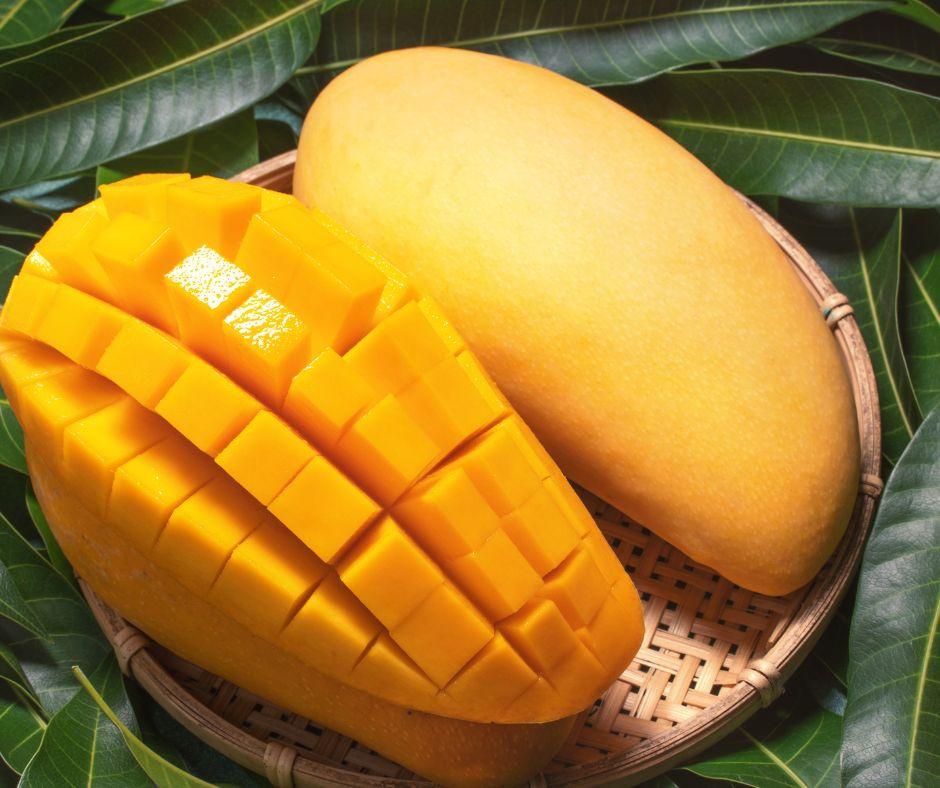
From there, you can either scoop out the flesh using a spoon or use the popular hedgehog method.
To do this, make a crisscross pattern across the flesh of each outer slice using a knife, being careful not to cut through the skin. Gently push the skin outward to turn the mango cubes into a hedgehog-like shape. The juicy chunks can then be eaten directly or scraped off with a spoon.
It’s simple, convenient, and one of the best ways to enjoy a perfectly ripe Philippine mango!
Manggang Hilaw: The Filipino Love for Unripe Mangoes
While ripe mangoes are celebrated for their sweetness, Filipinos also have a particular fondness for green, unripe mangoes, locally called manggang hilaw.
Unlike ripe mangoes, which are soft and sweet, unripe mangoes are firm, crunchy, and distinctly sour.
One of the most popular ways to enjoy them is with a dipping sauce of rock salt or bagoong (fermented shrimp or fish paste).
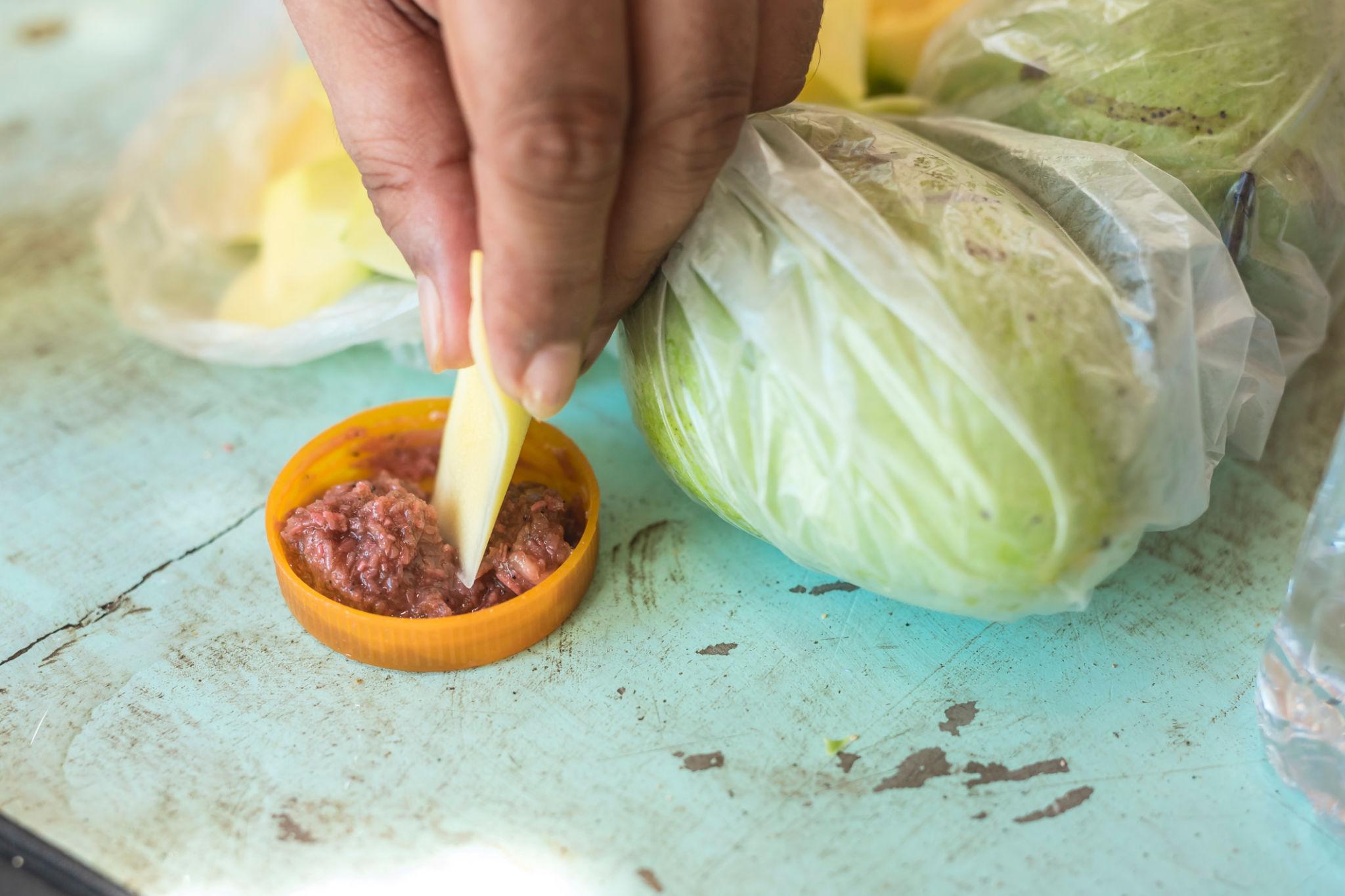
The combination of sour mango and salty bagoong creates a delicious contrast of flavors that many Filipinos grow up enjoying. For some, it’s the perfect afternoon snack. For others, it’s a nostalgic reminder of childhood afternoons spent sharing slices of green mango with family and friends.
This combination also reflects the Filipino appreciation for balancing sweet, sour, and salty flavors in everyday food.
More Than Just a Fruit: A Taste of Filipino Identity
From the golden Carabao mangoes of Guimaras to the green mangoes dipped in bagoong, mango is more than just a tropical fruit in the Philippines. It is part of the country’s agricultural heritage, culinary traditions, and everyday culture.
It represents the richness of the country’s tropical landscape and the dedication of Filipino farmers who cultivate one of its most recognizable agricultural products.
Whether enjoyed fresh from the orchard, served as a dessert, blended into a refreshing mango shake, or paired with a salty dipping sauce, Philippine mangoes continue to delight both locals and international visitors.
So, the next time you come across a golden Philippine mango, take a bite and experience what makes this tropical treasure so special.
Sweet, golden, and unmistakably Filipino. The Philippine mango is truly a fruit worth celebrating!
Did you enjoy these bits of information? Well, make sure to subscribe to my mailing list to read my latest blog straight from you inbox. Or, follow me on Facebook for your newest scoop on The Mixed Culture. Feel free to email me for any questions or comment below.
Con mucho amor,
Imelda❤
Frequently Asked Questions About Philippine Mangoes
1. What is the national fruit of the Philippines?
The mango, locally known as mangga, is the national fruit of the Philippines. The Carabao mango is among the country’s most recognized varieties.
2. What is a Manila Super Mango?
Manila Super Mango is a commercial name associated with premium Philippine Carabao mangoes prepared for export markets. It is known for its golden-yellow skin, sweet flavor, and smooth flesh.
3. Is Manila Mango the same as Carabao Mango?
The term Manila Super Mango is used commercially for Philippine Carabao mangoes. However, Manila mango, Ataulfo, Honey, and Champagne mango are not necessarily interchangeable botanical cultivar names.
4. Why are Guimaras mangoes famous?
Guimaras, an island province in Western Visayas, is famous for its sweet mangoes and established mango-growing industry. Its mangoes are celebrated through local festivals and agricultural activities.
5. How do Filipinos eat ripe mangoes?
Filipinos commonly slice ripe mangoes lengthwise into three sections, separating the large seed from the two fleshy sides. The flesh can be scooped out with a spoon or cut using the hedgehog method.
6. What is manggang hilaw?
Manggang hilaw means unripe or green mango. It is commonly eaten in the Philippines with rock salt or bagoong, a fermented shrimp or fish condiment.
7. What is Vapor Heat Treatment for Philippine mangoes?
Vapor Heat Treatment (VHT) is a postharvest quarantine treatment that uses controlled heat and humidity to help control fruit pests, including fruit flies, and meet the phytosanitary requirements of importing countries.


Where can İ order bulk Of manggo from philippines.
Hi , I am looking to set a Mango farm in Philippines and to buy Malina mangoes in bulk quantity. Please get in touch at alfa6faa@gmail.com
Pinoy mangos are the BEST. Cebu, Leyte, Panay,…..Luzon, anywhere really. The mangos are DELICIOUS.
Hello.. We have mango trees at home that bear fruits at its season. The fruit weighs up to 1 kilo or more. We are waiting an exclusive buyer every harvest. That those will be ended to a company that makes icecream or for export only. Thank you.
Love eating mangoes the “hedgehog” way and getting my hands all sticky and sweet. Finger lickin’ good! 🙂
can’t blame you, Philippines mangoes are deliciously good 🙂 … up to the last bite;)