
When people think of Vigan, Ilocos Sur, the first things that often come to mind are its cobblestone streets, historic ancestral houses, and beautifully preserved Spanish colonial architecture. But beyond its architectural heritage, Vigan is also home to another remarkable cultural treasure: the centuries-old tradition of making burnay, traditional unglazed earthenware jars.
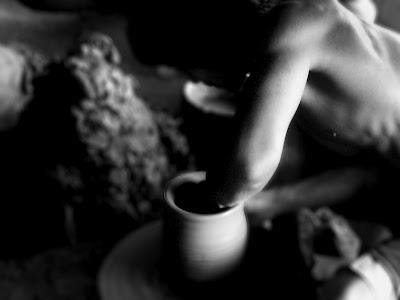
The art of burnay pottery is deeply rooted in Vigan’s history, dating back to pre-colonial times when Chinese immigrants brought their pottery-making knowledge and craftsmanship to the region. Over generations, this tradition evolved into an important local industry, combining Chinese pottery techniques with locally sourced materials and Filipino craftsmanship.
Today, burnay-making remains an important part of Vigan’s cultural identity, representing the preservation of traditional skills and the enduring influence of Chinese-Filipino heritage.
What Is Burnay?

Photo credit: Israel Formales
for http://www.themixedculture.com
Burnay refers to traditional, unglazed earthenware jars made from clay. These sturdy pottery vessels have been used for generations in Filipino households, particularly for storing food, water, grains, and other household essentials.
Traditionally, burnay jars feature relatively narrow openings and come in different shapes and sizes depending on their intended use. They were commonly used to store rice grains, water, salt, brown sugar, basi (traditional Ilocano sugarcane wine), and bagoong (fermented fish or shrimp).
There is even a popular belief that basi and bagoong develop a richer flavor when stored in burnay jars, making these traditional vessels particularly valued in food preparation and preservation.
Burnay jars are also used in the fermentation of vinegar made from the sap of the sugar palm (Arenga pinnata), locally associated with kaong. Their practical uses demonstrate how traditional pottery was once an essential part of everyday Filipino life.
The Art and Craftsmanship Behind Burnay Pottery
Making a burnay jar is a labor-intensive process that requires experience, precision, and an understanding of clay.
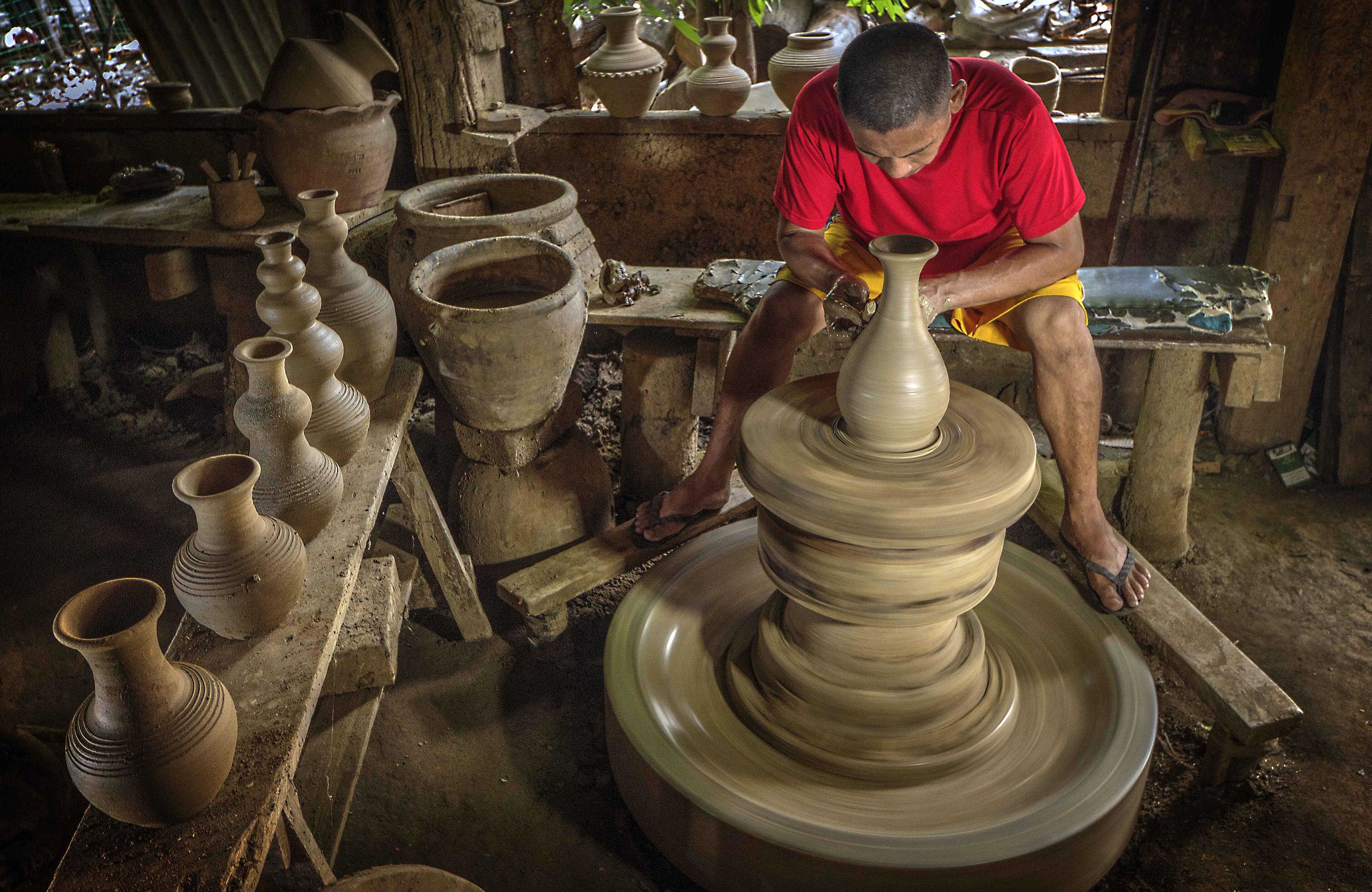
The pottery is shaped by skilled artisans using a potter’s wheel and carefully selected clay. Traditionally, the potters use locally sourced clay from areas around western Vigan, sometimes mixing it with fine sand as a tempering material to achieve the desired consistency and structure.

Photo credit Jay Javier http://eastofherewestofthere.blogspot.com
Once the clay has been prepared, the potter skillfully shapes it into a jar using the rotating wheel. This requires steady hands and years of practice to achieve the desired proportions, thickness, and finish.
After shaping, the jars are left to dry before being fired in a high-temperature kiln traditionally constructed from brick and clay.
Unlike glazed pottery, burnay jars retain their natural, earthy finish. Their firing process gives them their characteristic hardness and durability, making them suitable for storage and fermentation.
The craftsmanship involved in making each jar is a testament to the knowledge passed down through generations of Vigan potters.
The Chinese Heritage Behind Vigan’s Burnay Industry
The history of burnay pottery in Vigan is closely connected to the arrival of Chinese artisans and settlers in the Philippines.
Historical accounts trace the development of the pottery industry to Chinese craftsmen who introduced their pottery-making techniques to the region before the arrival of the Spanish in 1572. These early artisans relied on locally available clay and the labor and knowledge of the people of Vigan, helping establish an industry that would eventually become an important part of the local economy.
The burnay industry experienced significant growth toward the end of the nineteenth century.
Around 1890, Pedro Go, a Chinese settler from Chinkang in Fujian (formerly Fukien), China, established his camarin (pottery workshop or factory) along what is now Rivero Street in Barangay VIII, Vigan.
In 1916, his nephew, Ongkai Go, arrived in the Philippines and began working with him. At the age of 18, Ongkai returned to China to get married. He eventually came back to the Philippines in 1922.
Together with his cousin, Igan Go, Ongkai established their own pottery workshop, which became known as Ruby Pottery, a name that continues to be associated with Vigan’s burnay-making tradition.
Years later, Fidel Go, the son of the late Ongkai Go, inherited the pottery business from Igan Go. Continuing the family legacy, Fidel dedicated himself to preserving the traditional art and craftsmanship of burnay-making.
His contribution to the preservation of this cultural tradition was recognized in 1990 when he received the Gawad sa Manlilikha ng Bayan (National Living Treasures Award), recognizing his work in keeping this traditional Filipino craft alive.
His recognition represents not only a personal achievement but also the importance of preserving the skills and knowledge that define Vigan’s pottery heritage.
Vigan’s Remaining Burnay Pottery Factories
Over the years, the burnay industry has faced the challenges of modernization, changing consumer preferences, and competition from mass-produced household products.
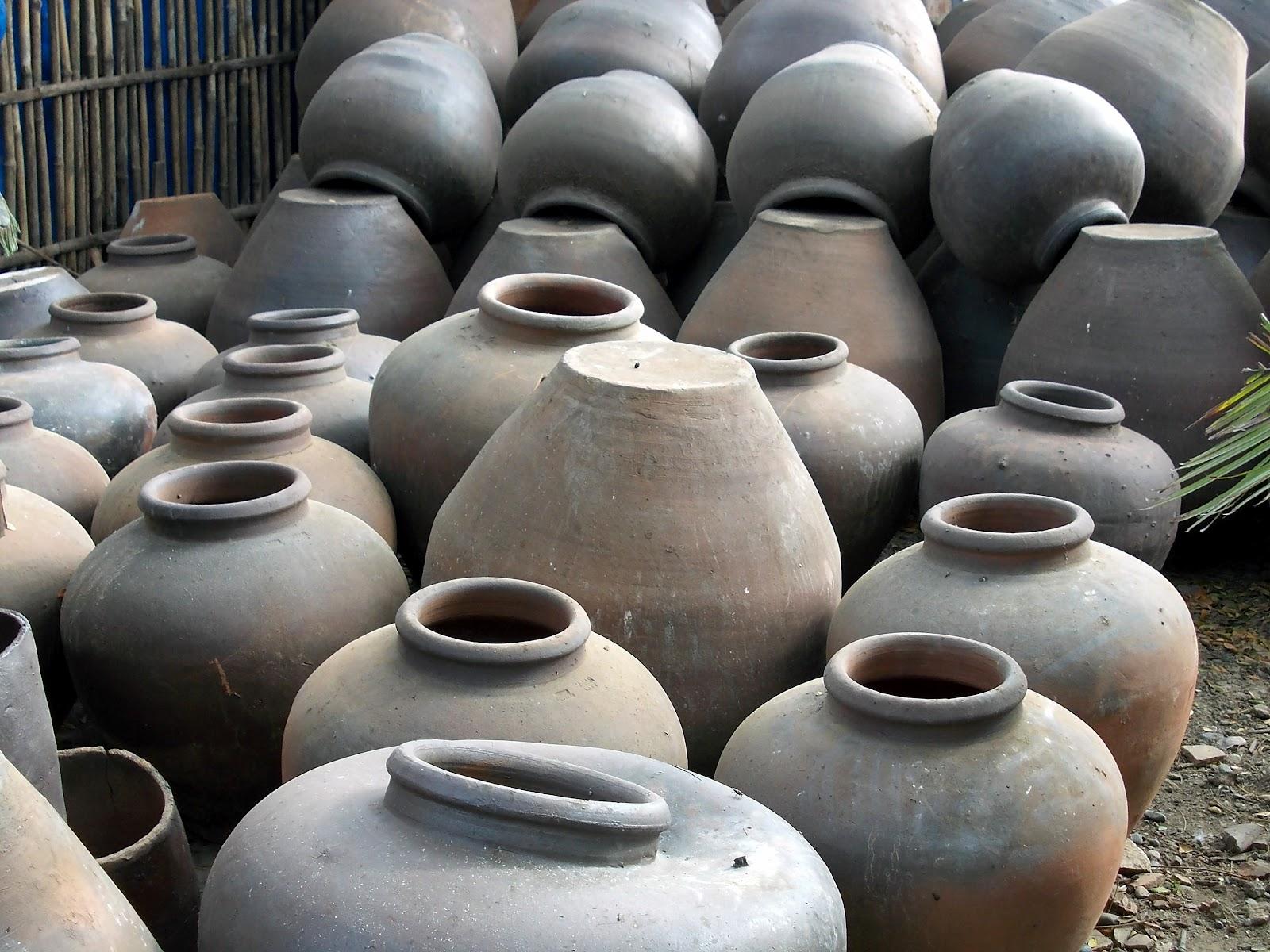
Nevertheless, traditional pottery-making has continued through family-owned workshops and dedicated artisans who remain committed to preserving the craft.
Historical accounts have identified three notable burnay factories in Vigan:
- RG Jar Factory
- Ruby Pottery
- NP Jar Factory
These pottery workshops have contributed to maintaining the tradition and supporting the livelihood of generations of artisans and their families.
Note: This list reflects the factories identified in the original account and should be updated to confirm their current operating status.
From Traditional Storage Jars to Decorative Masterpieces
While burnay jars were originally made primarily for practical household purposes, their uses have expanded over time.
Today, burnay pottery comes in different shapes, sizes, and designs, with many pieces created for decorative purposes. Their natural earthy appearance makes them popular additions to homes, gardens, restaurants, and commercial spaces.
The jars have also become sought-after souvenirs among local and international visitors exploring Vigan. Beyond the traditional designs, pottery workshops have received orders from traders and buyers who request customized shapes and styles according to their preferences.
The growing appreciation for handcrafted pottery has helped sustain the industry and provide opportunities for Chinese-Filipino families and local artisans to continue their craft.
Burnay jars have also found markets beyond the Philippines, including buyers in Europe, demonstrating how traditional Filipino craftsmanship can reach an international audience.
Preserving Vigan’s Cultural Heritage, One Jar at a Time
The art of making burnay has stood the test of time. What began as a traditional pottery-making practice introduced by Chinese artisans has become an enduring symbol of Vigan’s multicultural heritage and Filipino craftsmanship.
Every jar tells a story of generations of potters, family businesses, cultural exchange, and the dedication required to preserve a traditional skill.
In an era when mass production and modern technology dominate the manufacturing industry, burnay pottery reminds us of the value of handmade products and the cultural knowledge behind them.
It is more than just an earthenware jar. It represents the connection between the past and present, the influence of Chinese-Filipino heritage, and the determination of local artisans to keep their traditions alive.
So, the next time you visit the historic city of Vigan, take a moment to explore its pottery workshops. Beyond the beautiful ancestral houses and cobblestone streets, discover the remarkable craftsmanship behind one of Ilocos Sur’s most treasured cultural traditions.
Burnay: Centuries of craftsmanship, generations of heritage, and a tradition that continues to shape Vigan’s identity.
If you’ve enjoyed these bits of information, make sure to subscribe to my mailing list to read the latest blog from The Mixed Culture straight from your inbox. Or, follow me on Facebook or Instagram to know the newest scoop from me. Feel free to email for any questions or comment below.
Con mucho amor,
Imelda❤
Frequently Asked Questions About Burnay Pottery
1. What is burnay pottery in the Philippines?
Burnay is traditional, unglazed earthenware pottery made from clay. It is particularly associated with Vigan, Ilocos Sur, where artisans have preserved the craft for generations.
2. Where did burnay pottery originate in the Philippines?
Burnay pottery in Vigan is historically associated with Chinese artisans who introduced pottery-making techniques to the area before Spanish colonization in 1572.
3. What are burnay jars used for?
Traditionally, burnay jars were used to store water, rice, salt, brown sugar, basi (Ilocano sugarcane wine), and bagoong (fermented fish or shrimp). They are also used in traditional food fermentation and are now popular as decorative pieces.
4. How are burnay jars made?
Burnay jars are made using locally sourced clay, sometimes mixed with fine sand as a tempering material. Artisans shape the clay using a potter’s wheel, allow the jars to dry, and fire them in a high-temperature kiln.
5. Why is burnay pottery important to Vigan’s cultural heritage?
Burnay pottery represents Vigan’s historical Chinese-Filipino cultural influences, traditional craftsmanship, and family-based pottery industry. It also preserves skills and techniques passed down through generations.
6. Who is Fidel Go of Vigan?
Fidel Go was a traditional burnay potter recognized with the Gawad sa Manlilikha ng Bayan (National Living Treasures Award) in 1990 for his contribution to preserving the traditional art of pottery-making.
7. Where can visitors find burnay pottery in Vigan?
Visitors can explore traditional pottery workshops and factories in Vigan, Ilocos Sur, to see artisans at work and discover locally made burnay jars. It is advisable to confirm workshop opening hours before visiting.


“Thank you for featuring cultural treasures. This helps promote and preserve different cultures.”